
Blog
Frozen Food vs Fresh: Is Frozen Food Actually Unhealthy?

There’s a belief that’s been floating around Pakistani kitchens for years — that frozen food is somehow “lesser” than fresh. That it’s full of chemicals, lacking in nutrition, and no match for something made from scratch. As a frozen food company, we hear this concern often. And we think it deserves an honest, detailed answer.
So let’s settle this once and for all.
Where Did This Idea Come From?
The reputation of frozen food took a hit because of one category: ultra-processed convenience foods. Think frozen pizzas loaded with sodium, pre-made meals with ingredient lists a paragraph long, and snacks stuffed with artificial flavours and preservatives.
That’s a valid concern — but it applies to bad frozen food, not frozen food as a concept.
The problem was never the freezing. The problem was what some manufacturers put into the product before freezing it.
What Freezing Actually Does to Food
Here’s something that might surprise you: freezing is one of the oldest and most natural forms of food preservation known to humanity. Long before refrigerators existed, people in cold climates preserved meat, fish, and vegetables by freezing them through winter.
Modern freezing technology simply does the same thing, faster and more precisely.
When food is frozen properly:
- Bacteria cannot grow. Most harmful bacteria are inactive below 0°C, which is why frozen food stays safe far longer than refrigerated food.
- Nutrients are locked in. Freezing halts the enzymatic activity that causes food to lose vitamins and minerals over time. Studies have shown that frozen vegetables can actually retain more nutrients than “fresh” vegetables that have been sitting in storage or on a shelf for several days.
- Texture and flavour are preserved. When frozen quickly at the right temperature, food retains the moisture, structure, and taste it had at the moment of freezing.
Fresh Food Isn’t Always As Fresh As You Think
Here’s the part no one likes to talk about. When you buy “fresh” chicken mince from your local butcher or supermarket, how long has it actually been sitting there? How was it stored during transport? How many hours has it been at room temperature on the counter?
Fresh food has a narrow window of peak quality. After that window, it begins to degrade — losing nutrients, developing bacteria, and changing in texture and taste.
Frozen food, made properly and stored correctly, doesn’t have this problem. A product frozen at the peak of freshness and kept at the right temperature is genuinely safer and more consistent than fresh food of uncertain origin or age.
The Real Question: What’s In It?
The honest answer to “is frozen food unhealthy?” is: it depends entirely on what’s in it.
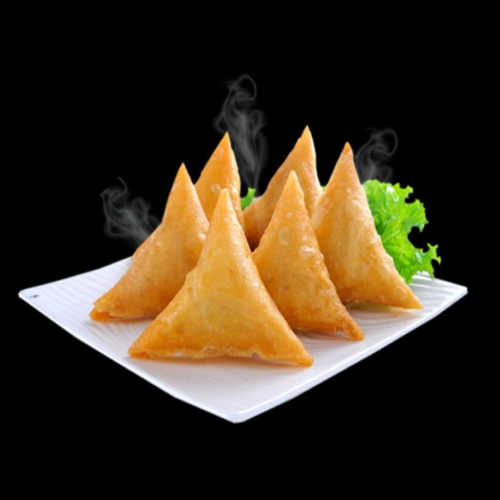
A frozen samosa made from fresh halal chicken, whole spices, and real vegetables — with no artificial additives — is nutritionally no different from one made in your own kitchen that morning, then frozen.
A frozen product made from mechanically separated meat, flavour enhancers, and a list of E-numbers you can’t pronounce? That’s a different story.
This is exactly why at Tasty Food, we’ve built our entire operation around one principle: make it the way you’d make it at home.
- We use fresh halal chicken and beef — no processed or mechanically separated meat
- We use whole spices ground in-house — no artificial flavour powders
- We add no preservatives of any kind — the freezer is our only preservative
- Every product is made in small, fresh batches — not factory lines producing thousands of units with months of shelf life
When you read our ingredient lists, you recognise every item. Because they’re the same things you’d find in your own kitchen.
A Simple Way to Think About It
Next time you’re evaluating a frozen food product — ours or anyone else’s — ask these three questions:
1. Can I read the ingredient list? If the ingredients sound like a chemistry textbook, put it back. If they sound like a recipe, you’re in good shape.
2. Does it contain preservatives? Sodium benzoate, potassium sorbate, BHA, BHT — these are the ones to watch for. A product that relies on the freezer for preservation, not chemicals, is a much better choice.
3. What’s the meat source? Look for halal-certified, whole muscle or properly minced meat. Avoid anything labelled “mechanically separated” or “reformed.”
Our Verdict
Frozen food is not inherently unhealthy. Poorly made frozen food is unhealthy — just as poorly made fresh food is unhealthy.
The freezer is simply a tool. What matters is the quality of ingredients, the honesty of the manufacturer, and the care that goes into every product before it’s sealed and frozen.
We started Tasty Food in 2002 because Mrs. Qaiser believed families deserved the convenience of frozen food without compromising on the quality of home cooking. More than two decades later, that belief hasn’t changed.
Every kabab, every samosa, every roll that leaves our kitchen is something we’d proudly serve at our own table.
That’s our standard. And we think it’s the only one worth having.
Try It Yourself
The best way to answer the fresh vs frozen debate? Taste the difference.
Browse our full range at tastyfood.pk/shop and order fresh-frozen, preservative-free Pakistani food delivered to your doorstep in Islamabad and Rawalpindi.
Free delivery available. Call or WhatsApp: +92 302 599 9878
Tasty Food has been making preservative-free frozen Pakistani food since 2002. All products are 100% Halal certified and made from fresh ingredients with no artificial additives.Share